





Experts in collision investigation have long relied on the laws of physics to analyze physical evidence at crash scenes. Today, modern vehicles record valuable data that can be extracted and interpreted to enhance these analyses with greater precision.
On June 3rd, Jonathan Lawrence, Ian Miller, and Kurt Ising will explore what evidence matters most in collision cases, how to make use of vehicle-recorded data, and how human factors expertise helps tell both sides of the collision story. This one-hour CLE-eligible* webinar was crafted specifically for legal and insurance professionals and will offer an inside look at how MEA Forensic approaches collision reconstruction. We hope you’ll join us.
Date: |
Time: |
Where: |
| June 3rd, 2025 | 10:00 AM Pacific / 1:00 PM Eastern | On Zoom |
REGISTER HERE
*Our presenters are certified continuing education providers by the California State Bar. Our courses are accredited by the Law Societies of British Columbia and Ontario. Alberta lawyers, consider including this course as a CPD learning activity in your annual Continuing Professional Development Plan.
For more information and to get your name on our mailing list, contact Mireille Maheu.
The presenters – Collision Reconstruction 2025

Jonathan Lawrence, MASc PEng PE
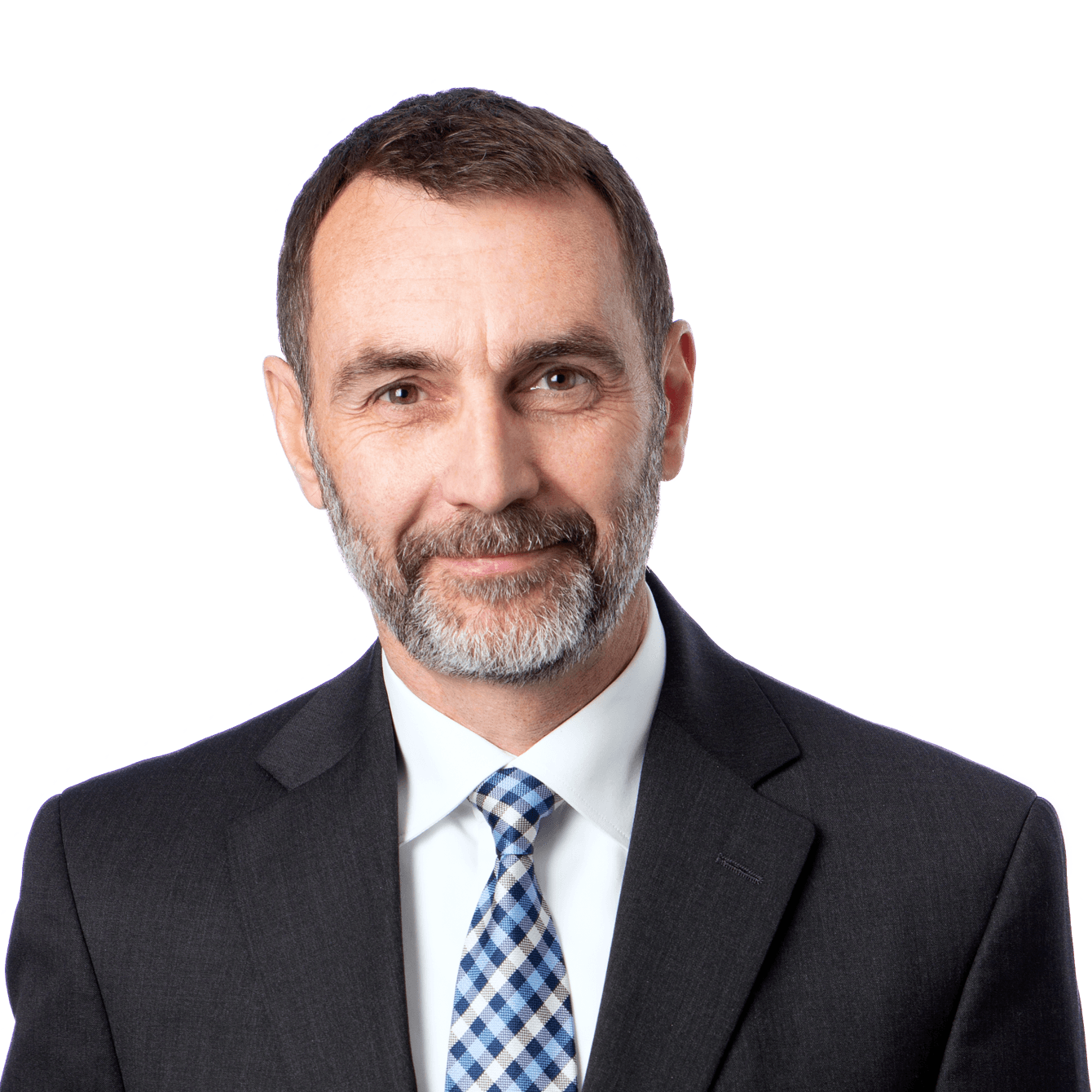 |
Jonathan Lawrence is the president of MEA Forensic and a core member of the firm's Collision Reconstruction group. He has investigated over 3,000 vehicle accidents involving speed, collision severity, seat belt use, and avoidance potential. Jonathan is a registered professional engineer in British Columbia and Washington State and has testified extensively as an expert witness. His peer-reviewed research covers a range of topics, including the accuracy of event data recorders (EDRs), crash severity analysis, and the performance of advanced driver-assistance systems (ADAS). Read Jonathan's full bio. |
Jonathan's presentation:
- The laws of physics: time-tested tools that remain essential in collision reconstruction
- What evidence do experts need to get to better answers, faster?
Ian Miller, MEng PE
 |
Ian Miller investigates crashes involving passenger vehicles, commercial trucks, motorcycles, bicycles, and pedestrians. By combining data extracted from vehicles and physical evidence, Ian reconstructs collisions using simulation software and engineering calculations. He leads MEA Forensic’s ongoing research on anti-lock braking systems (ABS), and his peer-reviewed findings were published in SAE Technical Papers and presented at the SAE World Congress in Detroit. He is also involved in the firm’s research on video-based reconstructions and bicycle-computer data. Read Ian' full bio. |
Ian's presentation:
- Potential sources of collision data in modern vehicles, and emerging tools
- Real-world collision reconstruction cases using onboard data
Kurt Ising, MASc PEng
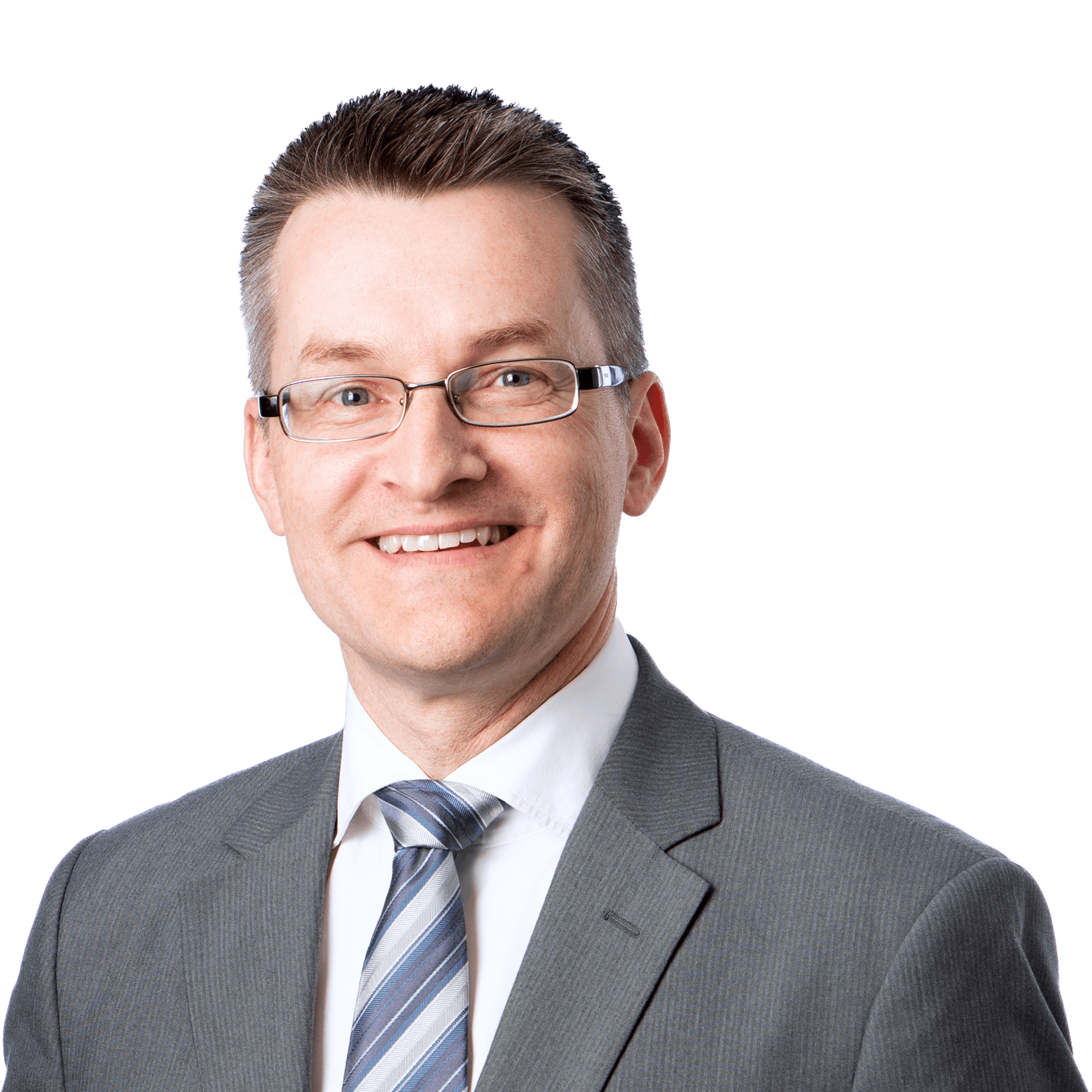 |
Kurt Ising worked in the firm's Collision Reconstruction group for 15 years before turning his focus to human factors. His dual background gives him a unique vantage point in collision investigations, allowing him to examine not only what a vehicle did, but what the driver did as well. Kurt has developed methods to measure light levels at crash scenes and objectively assess driver visual performance. He has authored peer-reviewed research on hazard detection and response, including studies on perception-response times, distraction, and nighttime visibility. Read Kurt's full bio. |
Kurt's presentation:
- Physical evidence, vehicle data, and human factors in left-turn collision investigations
- Visibility, judgment, and decision-making of both left-turning and straight-through drivers